



The Air element symbolizes freedom, movement, and sustainability. It is a vital resource for life, influencing climate systems, transportation, and energy solutions. At PWBL, we harness the Air element to promote clean air initiatives, innovative transportation systems, and renewable energy projects that contribute to a healthier and more sustainable future.
Importance of the Air Element
Air Quality Improvement
The Air element is essential for maintaining a healthy environment. With rising pollution levels, improving air quality through initiatives like clean energy adoption, urban afforestation, and emission control technologies is critical for public health and ecological balance.
Sustainable Transportation
Transportation systems rely heavily on the Air element for innovation. Electric vehicles (EVs), hydrogen fuel cell technology, and sustainable aviation initiatives reduce emissions and improve air quality while meeting mobility demands.
Renewable Energy from Wind
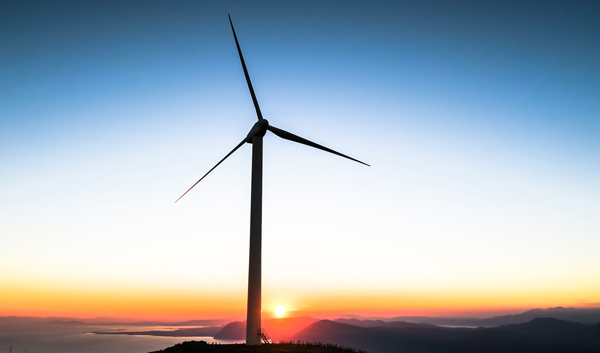
The Air element powers wind energy, a key renewable energy source. Wind turbines harness the power of air to generate clean electricity, reducing dependence on fossil fuels and supporting global energy transitions.
Urban Green Spaces
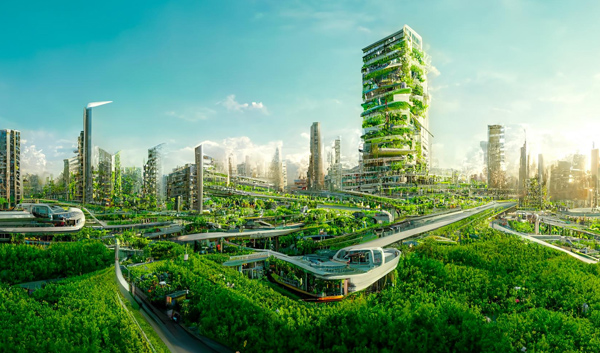
Urban afforestation and green infrastructure play a vital role in improving air quality and mitigating the urban heat island effect. Green spaces not only purify the air but also enhance the quality of life for city dwellers.
Disaster Preparedness and Climate Resilience
Air and atmospheric data collected through advanced weather monitoring systems enable better disaster preparedness and climate resilience. This information is vital for addressing challenges such as hurricanes, droughts, and heatwaves.
Potential Areas of Innovation
Emission Control Technologies
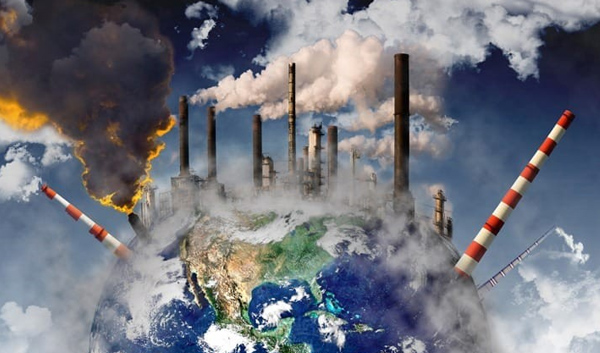
Advanced technologies like carbon capture and storage (CCS) and air purifiers reduce pollutants and greenhouse gas emissions. These innovations are transforming industries and urban areas by improving air quality. Learn more at National Clean Air Programme.
Electric and Hydrogen-Powered Transportation
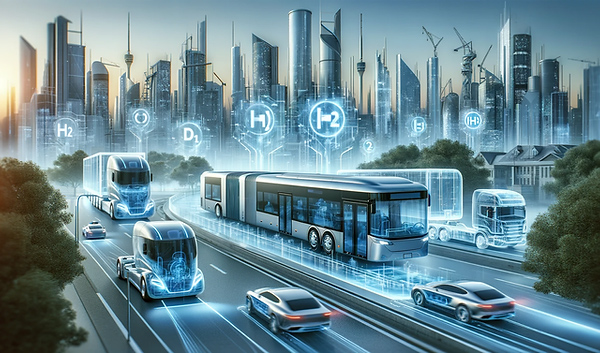
Innovations in EVs and hydrogen fuel cell vehicles are revolutionizing the transportation sector. These technologies offer clean alternatives to traditional fossil fuel-powered vehicles, reducing air pollution and greenhouse gas emissions. Explore more at FAME India Scheme.
Wind Energy Projects
Wind energy is one of the fastest-growing renewable energy sources globally. Offshore and onshore wind farms provide scalable energy solutions, powering homes and industries with clean electricity. Learn more at National Wind-Solar Hybrid Policy.
Urban Afforestation and Green Roofs
Urban greening initiatives, such as afforestation, rooftop gardens, and vertical forests, enhance air quality and reduce the urban heat island effect. These projects are vital for sustainable urban development. Learn more at Green India Mission.
Air Quality Monitoring Systems
Smart air quality monitoring devices provide real-time data on pollution levels, enabling informed decisions for improving air quality. These systems support urban planning and policy development. Explore more at SAFAR – India.

Case Studies
National Clean Air Programme (NCAP) (India):
Launched by the Government of India, NCAP focuses on reducing air pollution through multi-sectoral strategies, including industrial emission controls, vehicular emission standards, and urban greening. Learn more at NCAP.
FAME India Scheme:
The Faster Adoption and Manufacturing of Hybrid and Electric Vehicles (FAME) scheme promotes electric mobility by providing subsidies for EV adoption and infrastructure development. Learn more at FAME India.
Suzlon Wind Energy Projects (India):
Suzlon is one of India’s leading wind energy companies, driving renewable energy adoption with innovative wind turbine technology. Learn more at Suzlon Energy.
Delhi’s Odd-Even Scheme:
This innovative traffic management strategy aims to reduce vehicular emissions and improve air quality by alternating vehicle usage based on registration numbers. Learn more at Delhi Government Initiatives.
Vertical Forest Projects (Worldwide):
Pioneered in cities like Milan, vertical forests integrate greenery into urban buildings, improving air quality and reducing energy consumption. Explore similar initiatives at Vertical Forest.
Smart Air Quality Monitoring by SAFAR:
The System of Air Quality and Weather Forecasting and Research (SAFAR) provides real-time air quality data and forecasts for Indian cities, supporting policy development and public awareness. Learn more at SAFAR.
Alignment with UNSDG Goals
The Air element directly supports several United Nations Sustainable Development Goals (UNSDG), including:
- SDG 3: Good Health and Well-Being Improving air quality reduces respiratory illnesses and enhances overall public health.
- SDG 7: Affordable and Clean Energy Promoting wind energy and other renewable energy sources aligns with clean energy goals.
- SDG 11: Sustainable Cities and Communities Urban greening and clean transportation contribute to sustainable urban development.
- SDG 13: Climate Action Reducing air pollution and transitioning to clean energy sources mitigate climate change impacts.
- SDG 15: Life on Land Urban afforestation and green spaces enhance biodiversity and support ecological balance.
Conclusion
The Air element represents freedom, innovation, and sustainability. At PWBL, we leverage the power of the Air element to promote clean air initiatives, renewable energy projects, and sustainable urban living. By aligning with UNSDG goals, we strive to create healthier communities and a cleaner planet for future generations.igning with UNSDG goals, we aim to conserve and optimize water resources for a sustainable and equitable future.