



The Water element symbolizes life, purity, and sustainability. As one of the most vital resources on Earth, water supports ecosystems, agriculture, industries, and human livelihoods. However, challenges such as water scarcity, pollution, and climate change have threatened global water security. At PWBL, we are dedicated to providing innovative solutions to manage, conserve, and optimize water resources, ensuring a sustainable future for all.
Importance of the Water Element
Clean Water Access
The Water element is essential for providing safe drinking water to communities worldwide. With millions of people lacking access to clean water, ensuring availability through advanced purification technologies and sustainable practices is critical. Initiatives such as rainwater harvesting and decentralized water systems play a vital role in improving water accessibility.
Agricultural Sustainability
Water is integral to agriculture, enabling crop production and food security. Efficient irrigation systems, such as drip and sprinkler irrigation, and technologies like soil moisture sensors optimize water usage and reduce wastage, ensuring sustainable farming practices.

Ecosystem Preservation
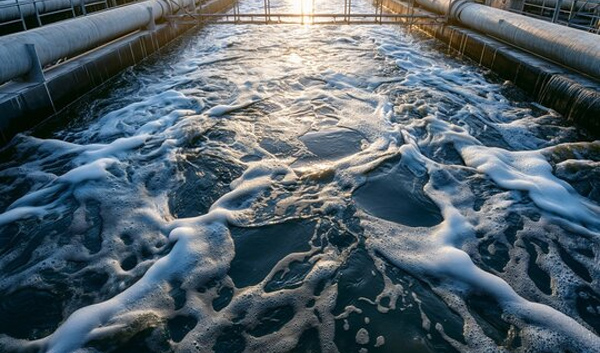
Healthy aquatic ecosystems are vital for biodiversity and environmental balance. Protecting water bodies from pollution and over-extraction is critical for sustaining life. Ecosystem restoration initiatives focus on rejuvenating rivers, lakes, and wetlands, ensuring clean water for communities and wildlife.
Renewable Energy
The Water element is a significant source of renewable energy through hydropower projects. Harnessing the potential of water resources for energy generation reduces dependency on fossil fuels and minimizes carbon emissions, contributing to a greener planet.
Potential Areas of Innovation
Water Purification Technologies
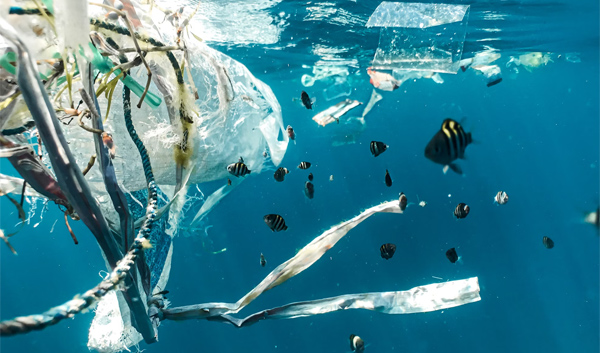
Innovative water purification systems, such as reverse osmosis (RO), ultraviolet (UV) treatment, and nanofiltration, ensure access to safe drinking water. These technologies address challenges like arsenic contamination, salinity, and bacterial presence, providing clean and potable water to underserved regions. Explore advanced water purification systems at Ministry of Jal Shakti.

Smart Irrigation Systems
Smart irrigation leverages IoT and AI to monitor and manage water usage in agriculture. Technologies such as automated irrigation controllers and weather-based irrigation systems ensure optimal water use, reducing wastage and increasing efficiency. Learn more at PM Krishi Sinchayee Yojana.
Rainwater Harvesting
Rainwater harvesting is an effective solution to mitigate water scarcity by capturing and storing rainwater for domestic, agricultural, and industrial use. Rooftop harvesting systems and community-level storage tanks are transforming water availability in arid and semi-arid regions.
Wastewater Treatment and Reuse
Wastewater recycling and reuse technologies, including membrane bioreactors and anaerobic treatment systems, help reduce water pollution and conserve freshwater. Treated wastewater can be reused for irrigation, industrial processes, and urban landscaping.
Hydropower Development
Hydropower remains a key innovation in renewable energy. Micro and mini hydropower projects are revolutionizing clean energy access for rural and remote areas, reducing carbon footprints while promoting energy independence. Explore hydropower projects at International Hydropower Association.

Case Studies
Jal Jeevan Mission (India):
This flagship initiative by the Government of India focuses on providing functional household tap connections (FHTCs) to every rural household. The mission promotes water conservation, rainwater harvesting, and greywater management. Learn more at Jal Jeevan Mission.
Namami Gange Programme (India):
This comprehensive river rejuvenation program aims to clean and protect the Ganga River. It includes wastewater treatment, riverbank afforestation, and community participation to restore the river’s health. Explore the program at Namami Gange.
Atal Bhujal Yojana (India):
This central government scheme focuses on sustainable groundwater management by involving communities and stakeholders. It aims to improve groundwater levels and water quality in overexploited regions. Learn more at Atal Bhujal Yojana.
UN Water Action Decade (2018-2028):
A global initiative to promote sustainable water management and access to clean water. It emphasizes partnerships, innovation, and awareness to tackle global water challenges. Explore this initiative at UN Water Action Decade.
Mahatma Gandhi National Rural Employment Guarantee Act (MGNREGA):
Under MGNREGA, water conservation and harvesting projects, such as check dams and ponds, are implemented to ensure water availability for rural communities. Learn more at MGNREGA.
Ken-Betwa River Linking Project (India):
This interlinking project aims to transfer surplus water from the Ken River to the Betwa River, addressing water scarcity in Bundelkhand. It also ensures irrigation, drinking water supply, and hydropower generation. Learn more at Ken-Betwa Link Project.
Alignment with UNSDG Goals
The Water element directly supports several United Nations Sustainable Development Goals (UNSDG), including:
- SDG 6: Clean Water and Sanitation By ensuring access to safe and affordable drinking water, improving water quality, and promoting sustainable water management practices, water-related initiatives align with this goal.
- SDG 2: Zero Hunger Efficient water management in agriculture ensures food security by supporting sustainable farming practices and enhancing crop yields.
- SDG 7: Affordable and Clean Energy Hydropower projects harness the potential of water resources to generate clean and renewable energy, contributing to global energy sustainability.
- SDG 13: Climate Action Water conservation and ecosystem preservation projects strengthen resilience and adaptive capacity to climate-related impacts.
- SDG 15: Life on Land Protecting and restoring freshwater ecosystems, including rivers and wetlands, supports biodiversity and ecological balance.
Conclusion
The Water element is vital for sustaining life, promoting food security, and driving renewable energy solutions. At PWBL, we strive to address global water challenges through innovative technologies and sustainable practices. By aligning with UNSDG goals, we aim to conserve and optimize water resources for a sustainable and equitable future.