



The Earth element represents stability, growth, and sustenance. It is the foundation of life, providing us with fertile soil, natural resources, and ecosystems essential for human survival. However, increasing urbanization, deforestation, and climate change have threatened the health of our planet. At PWBL, we are committed to leveraging innovation, technology, and sustainable practices to restore and preserve the Earth’s resources for a better future.
Importance of the Earth Element
Fertility and Agriculture
The Earth element supports food production by ensuring soil fertility and sustainable farming practices. Healthy soil provides essential nutrients, promotes water retention, and supports biodiversity. Modern agricultural techniques, such as crop rotation, organic farming, and the use of natural fertilizers, are key to restoring soil health and increasing agricultural productivity. Learn more about sustainable farming practices at National Mission on Natural Farming.
Ecosystem Restoration
Restoring degraded lands and preserving biodiversity are essential for maintaining ecological balance. Ecosystem restoration combats desertification, ensures water availability, and builds resilience against climate change. Initiatives like afforestation, reforestation, and community-based conservation play a vital role in reviving ecosystems. Discover the UN’s efforts in Ecosystem Restoration.


Natural Resources
The Earth provides valuable resources like minerals and fossil fuels, which are critical for economic development. Sustainable mining and resource management practices ensure that extraction methods minimize environmental harm while promoting resource efficiency through recycling and circular economies. For insights on sustainable mining practices, explore Global Mining Standards.
Sustainable Urban Development
Urbanization has drastically impacted the Earth’s ecosystems. Sustainable urban planning integrates green infrastructure, renewable energy, and eco-friendly transport systems to mitigate these effects. Concepts like vertical farming, green roofs, and urban afforestation are transforming cities into sustainable hubs. Learn more about urban sustainability at Smart Cities Mission.
Potential Areas of Innovation
Land Reclamation
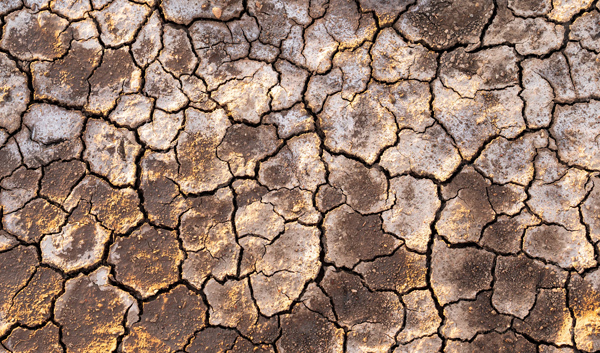
Land reclamation focuses on restoring degraded or barren lands to productive use. Techniques like bio-remediation, soil conditioning, and water-efficient irrigation are transforming wastelands into fertile grounds. For instance, saline-resistant crops are being used in arid regions to boost productivity. Read about ongoing efforts at Land Restoration UN Project.

Smart Agriculture
Integrating IoT and AI technologies in farming optimizes resource usage and increases efficiency. Precision farming, drone-based imaging, and automated irrigation systems allow farmers to monitor and manage crops more effectively, reducing waste and improving yields. Dive deeper into smart agriculture at Digital Agriculture Mission.
Ecosystem Conservation
Conservation initiatives aim to protect natural habitats and promote biodiversity. Projects like afforestation, wetland restoration, and community-based conservation initiatives ensure ecological balance and combat deforestation. Innovative methods like the Miyawaki technique are accelerating forest restoration efforts. Explore more on conservation at Green India Mission.
Sustainable Mining
Sustainable mining practices minimize environmental damage through renewable energy-powered extraction, reduced waste, and post-mining land rehabilitation. Green mining technologies ensure eco-friendly resource extraction while restoring ecosystems. Learn about sustainable mining efforts at Ministry of Mines India.
Waste-to-Energy Solutions
Converting organic and industrial waste into renewable energy addresses waste management challenges and generates clean energy. Technologies like anaerobic digestion and gasification are transforming waste into biogas, biochar, and electricity, reducing reliance on landfills and mitigating greenhouse gas emissions. Discover waste-to-energy innovations at Swachh Bharat Mission.

Case Studies
UN Decade on Ecosystem Restoration (2021-2030):
The UN’s global initiative aims to prevent, halt, and reverse ecosystem degradation. India is actively participating by promoting forest restoration and biodiversity conservation, contributing to the restoration of over 350 million hectares of degraded land. Learn more at UN Ecosystem Restoration.
National Mission on Natural Farming (India):
This government initiative encourages zero-budget natural farming practices, reducing chemical use and increasing soil fertility. It supports small-scale farmers with training and financial aid to adopt sustainable methods. Visit Natural Farming India for details.
Navami Ganga Project (India):
Focusing on restoring the Ganga River ecosystem, this project includes afforestation along riverbanks, soil erosion prevention, and community awareness programs to promote sustainability. Explore the project at Namami Gange Mission.
KfW Soil and Water Conservation Project (Rajasthan):
A partnership between Rajasthan and Germany’s KfW, this project addresses water conservation and land restoration in arid regions. It improves irrigation systems, increases agricultural productivity, and combats desertification. Learn more at KfW India Projects.
Land Degradation Neutrality Target Setting Programme (India):
India’s pledge to restore 26 million hectares of degraded land by 2030 includes afforestation drives, watershed management, and promoting agroforestry to combat desertification and land degradation. Discover the initiative at UNCCD Land Degradation.
Soil Health Card Scheme (India):
This program provides farmers with detailed soil analysis reports, promoting the judicious use of fertilizers, increasing crop yields, and ensuring long-term soil sustainability. For more information, visit Soil Health Card.
Alignment with UNSDG Goals
The Earth element directly supports several United Nations Sustainable Development Goals (UNSDG), including:
- SDG 2: Zero Hunger By promoting sustainable agriculture, improving soil fertility, and supporting small-scale farmers, Earth-related initiatives ensure food security and improve nutrition.
- SDG 13: Climate Action Ecosystem restoration, sustainable land management, and afforestation projects contribute to climate resilience by absorbing carbon dioxide and mitigating the effects of climate change.
- SDG 15: Life on Land Efforts to combat desertification, restore degraded lands, and conserve biodiversity align with the goal of protecting terrestrial ecosystems and ensuring their sustainable use.
- SDG 6: Clean Water and Sanitation Sustainable land practices ensure water conservation and reduce soil erosion, supporting the availability of clean water for communities.
- SDG 12: Responsible Consumption and Production Circular economy models, sustainable mining, and waste-to-energy solutions promote resource efficiency and reduce environmental impact.
6. Conclusion
The Earth element represents the foundation of life, growth, and sustainability. At PWBL, we are dedicated to restoring balance to the planet by leveraging innovative technologies and supporting global initiatives. By aligning with UNSDG goals and working together, we can preserve the Earth’s resources and create a sustainable future for generations to come.